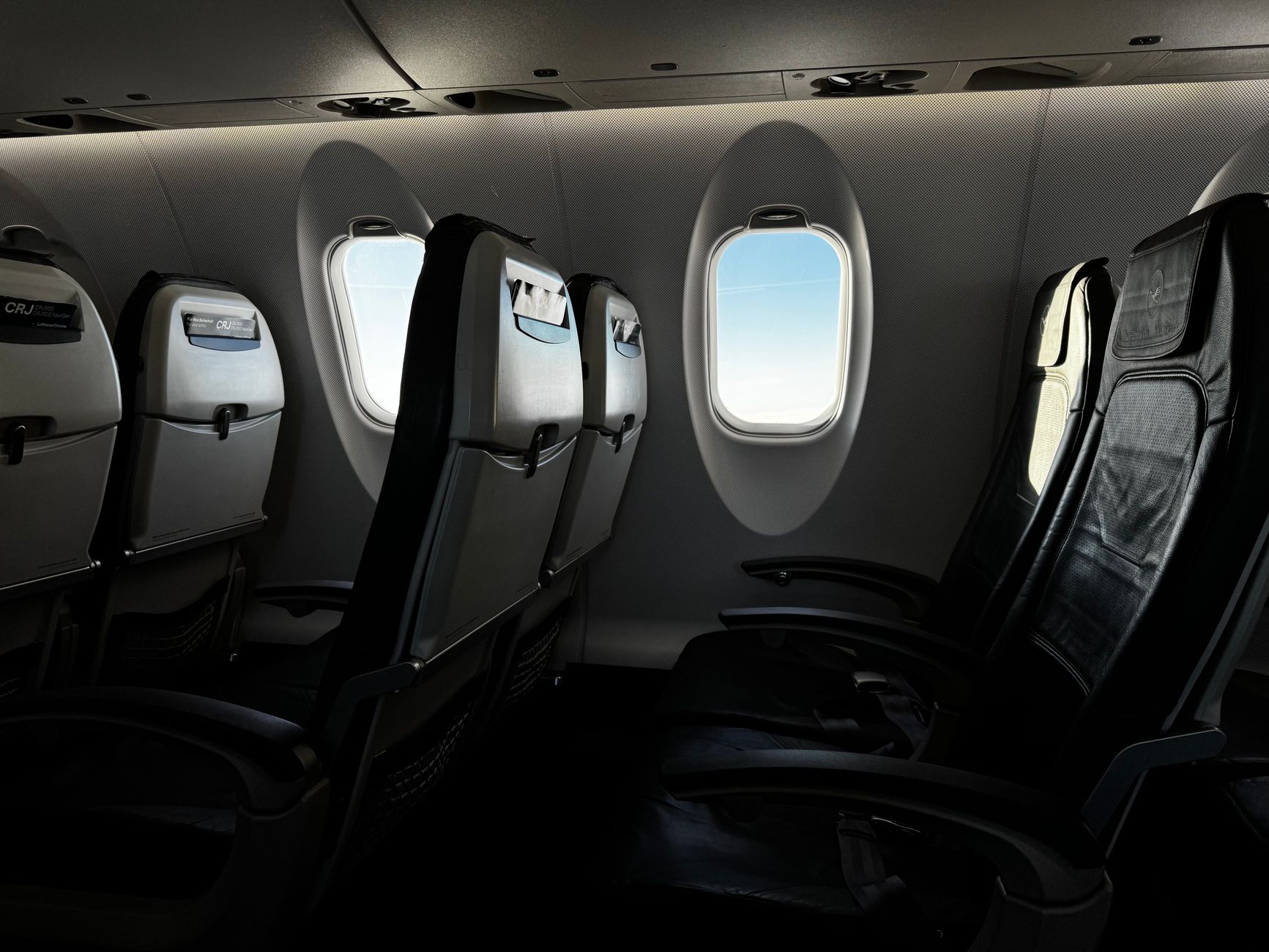
Understanding the Red-Eye Flight Dilemma
For many travelers, the concept of a red-eye flight conjures up visions of cramped cabins and sleepless nights. Used typically to describe flights that depart late at night and arrive the next morning, red-eye flights can pose a dilemma: Is the discomfort worth the potential savings and time efficiency? If you're an economy traveler willing to trade a bit of comfort for a strategic advantage, mastering the art of red-eye flights can open doors to new travel opportunities.
Why Choose a Red-Eye Flight?
Maximizing Time Efficiency
One of the prime advantages of red-eye flights lies in their ability to maximize daylight hours at your destination. For instance, if you're flying from Los Angeles to New York on business, taking a red-eye flight allows you to arrive early morning, giving you a full day ahead without the need for an overnight stay. This is particularly beneficial for business travelers or anyone with tight schedules who can't afford to extend their trip.
Potential Cost Savings
Price is often the driving factor when considering a red-eye. A flight from Delhi to New York, for instance, might show significant savings if flown overnight in the shoulder season. The logic is simple: fewer travelers opt for these late-night slots, leading airlines to occasionally cut prices to fill seats. However, this isn't a guarantee. Utilizing tools like the ITA Matrix and setting up fare alerts on Google Flights can provide insights into whether a red-eye significantly undercuts daytime flight options.
Calmer Airports
Late night, airports transform into quieter terrains, allowing for expedited check-ins and reduced security lines. Travelling to your gate without the cumbersome crowds can ease travel anxieties. Additionally, luggage retrieval on the other end is often faster, letting you start your day sooner.
Surviving the Red-Eye Experience
Choosing the Right Seat
Where you sit can drastically affect your red-eye experience. Opt for window seats to avoid disturbances from neighboring passengers. Airlines like JetBlue and Delta often allow for advanced seating selections during booking or check-in, so pay attention to those details. Sites like SeatGuru can provide seat maps to identify which rows have extra legroom or limited recline.
Preparing for Sleep
Comfort is key to making it through a red-eye effectively. Packing items like neck pillows, eye masks, and noise-cancelling headphones can significantly improve the prospect of sleep. Scheduling naps in the late afternoon before departure can also help recalibrate your body clock, making it easier to fall asleep once you board.
Minimizing Jet Lag
To counteract jet lag, align yourself with the destination's timezone as soon as possible. For trips crossing multiple time zones, shift your wake and sleep times gradually a few days before departure. Consider using apps like Timeshifter, which customizes transition plans based on your sleep patterns, flight schedule, and chronotype.
Strategies for Booking the Perfect Red-Eye
Using Fare Comparison Tools
Efficient booking starts with technology. Google Flights' fare calendars offer flexible date searches, allowing travelers to spot savings by shifting their travel day. Integration with Google Explore can also indicate other budget-friendly nearby airports.
Frequent Flyer Programs
Loyalty pays dividends on overnight flights, where upgrades to first or business class can make all the difference. Programs like American Airlines' AAdvantage often run incentives that can be redeemed strategically for upgrades, enhancing comfort.
Watch for Dynamic Pricing
Prices fluctuate more than you might expect. Signing up for fare alerts on services like Kayak or Skyscanner ensures you'll be notified when prices drop, providing a chance to snag deals during airline sales or sudden price shifts. Remember to also check directly with the airlines, as exclusive deals or flash sales sometimes appear only on their websites.
Taking the Next Step
Navigating the complexities of red-eye flights requires both planning and adaptability. Armed with a clear understanding of how to maximize your travel experience, the next step is all about implementation. Start by mapping out your upcoming travel needs and examining whether a red-eye fits your schedule. Utilize the tools and tips discussed here to ensure your journey is both efficient and unexpectedly refreshing. In the world of air travel, mastering the red-eye is not just about surviving the flight but thriving after the landing.