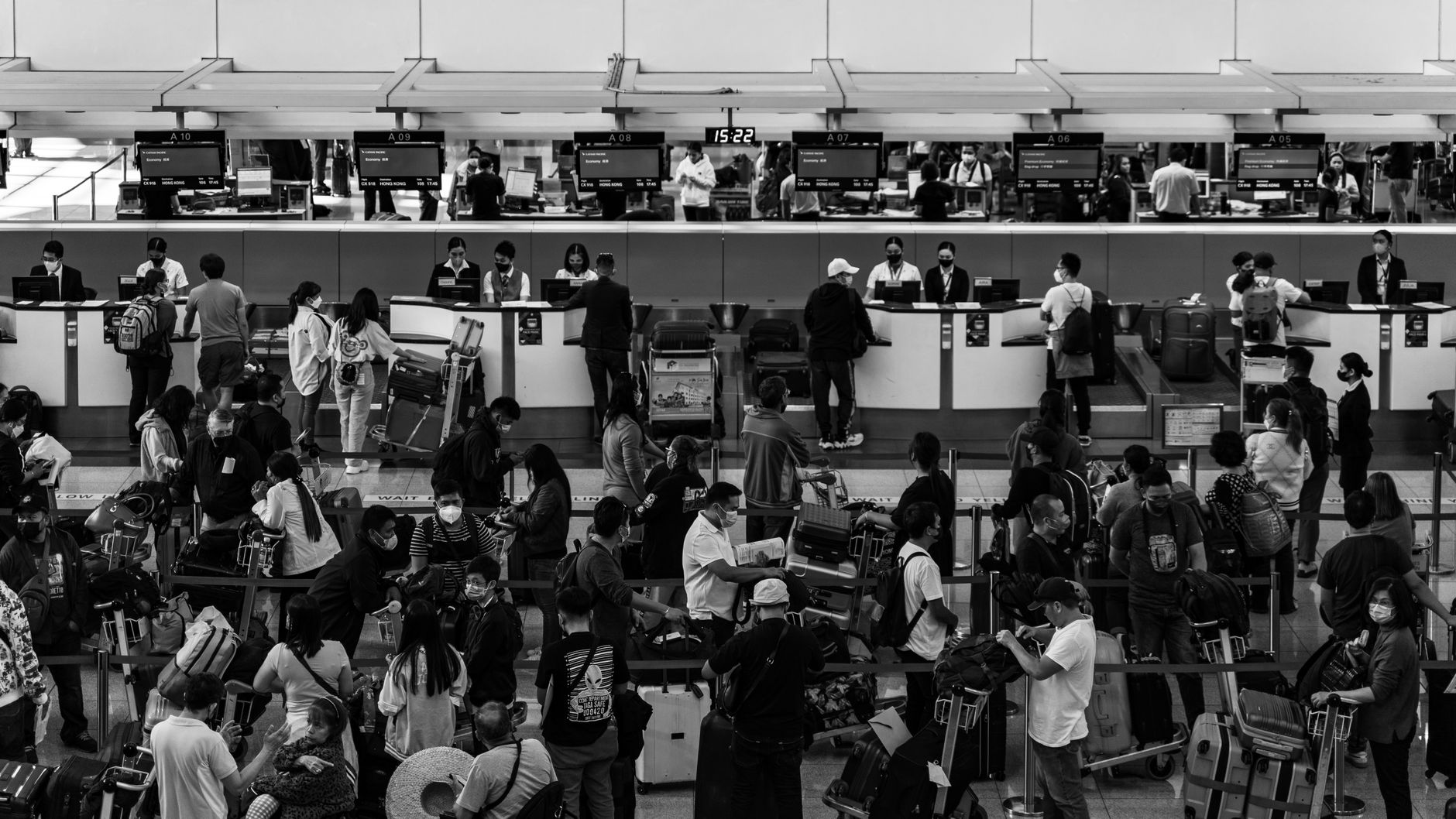
When Maxim wished to experience the pulse of New York City in late autumn, he booked a flight from Delhi to JFK for the shoulder season, expecting mild weather and thinner tourist crowds. Suddenly, a work commitment threatened to derail his carefully crafted plans. The option of canceling his flight naturally raised the question: how does one effectively navigate the minefield of flight refund policies?
Navigating the Complexity of Airline Refund Policies
Flight refund policies are notoriously complex and vary significantly from airline to airline. Airlines often bury these details in fine print, expecting customers to gloss over them. Moreover, refunds can depend on the ticket class, reason for cancellation, and even the airline’s home country regulations. The first step is understanding your specific airline's policy. Many airlines today offer search tools or links to the refund section on their websites. For instance, Delta’s refund policy page provides an alphabetical list component to quickly access detailed terms based on ticket type.
Consider the Ticket Type: It's Not Just Economy vs. Business
Not all tickets are created equal, even within the same cabin class. Budget-conscious travelers often opt for the lowest fare class without realizing that these tend to have the most restrictive policies, often labeled as non-refundable. Let’s take a closer look at economy fares. Basic economy may lock you into a non-refundable scenario, while a slightly more expensive 'flexible' economy ticket might offer a full or partial refund. The nuances can be critical. For example, United Airlines’ economy options range from basic, which offers no refunds, to ‘Economy Plus’, which includes more favorable refund terms. Always weigh the pros and cons of ticket choices against potential change needs.
Understanding Force Majeure: When Airlines Must Comply
Force Majeure, a concept borrowed from legal contract lingo, typically covers extraordinary events or circumstances beyond control, like natural disasters. Imagine landing a flight during a tropical storm season; if the airline cancels due to severe weather, regulations like EU261 in Europe or US Department of Transportation rules in the US mandate a refund. A relevant example is the Icelandic volcanic disruption, where thousands of travelers received rebooking and refund offers due to airspace closures.
The Volcanic Ash Scenario
During the Eyjafjallajökull eruption in 2010, European carriers provided reimbursements to stranded passengers. Knowing your entitlement under similar ‘act of god’ circumstances can save both money and distress.
Navigating Refunds in Case of Personal Emergencies
Life is unpredictable, and planning for unforeseen personal emergencies when booking flights can pay dividends. Airlines sometimes consider situations involving documented medical emergencies or family bereavement for refunds. With documentation like a hospital note, some airlines, such as British Airways, may offer waivers or credits for future travel, easing the financial and logistical burden.
Utilizing Refund Tools and Services
Several online tools can assist in obtaining flight refunds more efficiently. Services such as AirHelp and Refund.me specialize in analyzing your flight conditions to determine eligibility for refunds or claims. These platforms leverage global regulations like EU compensation laws to file claims on your behalf for a service fee. Another practical tool is the ITA Matrix, which allows travelers to decode fare class codes, crucial in understanding refund eligibility. Maxim used a fare alert to monitor fluctuating prices, thus altering his original booking into a more cancellable option, minimizing potential losses.
Taking the Next Step
Armed with the knowledge of your airline’s specific refund policies, now is the time to implement a more strategic approach to booking flights. Consider setting flight alerts for flexibility and explore ticket insurance as a safety net. Next time you book, factor not only price but also the refund potential into your decision-making calculus.