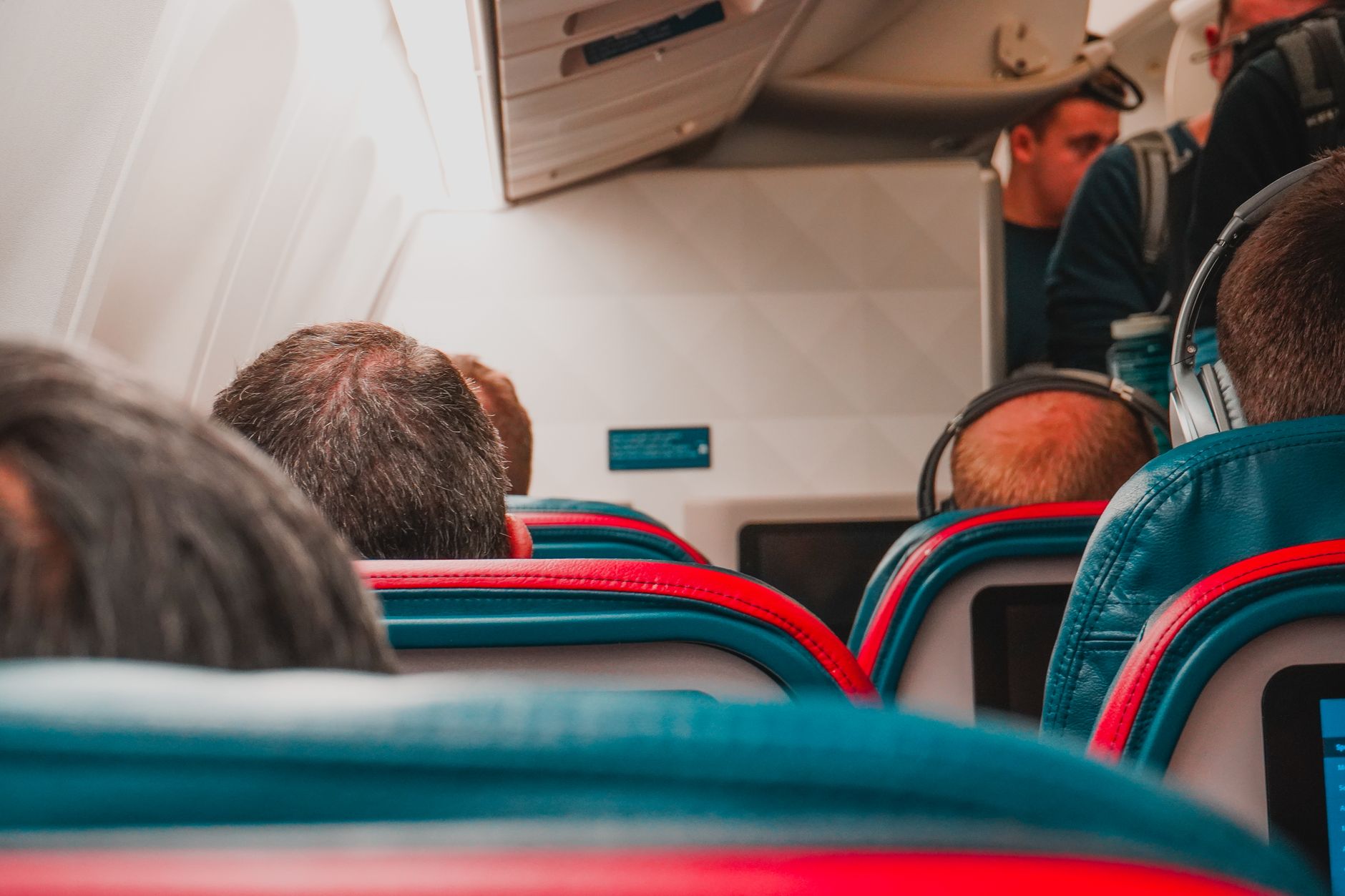
Imagine you've just found a last-minute business meeting scheduled in New York, but your current mood in San Francisco prefers the cozy encapsulation of a red-eye flight, sparing your precious daytime hours for actual meetings. Navigating these flights wisely can significantly enhance your journey, turning potential restlessness into productive slumber or serene leisure, setting you up fresh for the challenges ahead.
Understanding Red-Eye Flights: More Than Just Night Travel
Red-eye flights, typically those departing late at night and arriving the following morning, capitalize on overnight travel to conserve daylight for business or leisure pursuits. Still, the true utility of these flights is often misunderstood or not fully utilized. They offer not just a timeframe shift but a strategic advantage in travel planning. We begin by examining specific routes and seasonal considerations.
Prime Routes for Red-Eye Advantage
Routes such as Los Angeles to New York are often filled with red-eye options, catering to professionals maximizing their weekday hours. However, consider wider global possibilities, including New Delhi to London. Look into flights that facilitate seamless connections further into Europe with minimal wait, maximizing time in transit wisely while minimizing airport loitering.
Seasonal Offer-Seeking
Shoulder seasons, particularly during early spring and late fall, offer a unique strategic advantage. During these periods, red-eye flights frequently have increased availability and potential lower demand. Use Google Flights' fare calendar to watch for patterns and ITA Matrix to identify historical fare trends, making shoulder season bookings noticeably more economical.
Navigating the Skies: Choosing the Best Seats
Seat selection can make or break a red-eye experience, with window seats often preferred for leaning surfaces, essential for rest. Utilize SeatGuru to analyze seat maps tailored to your flight model, flagging window seats that are free from cold drafts or obstructive equipment boxes. Additionally, airlines like Delta offer Comfort+ with enhanced recline and legroom, an upgrade worth considering for a marginal fee.
Optimal Timing for Check-In
Leverage your seat selection from the moment online check-in becomes available. Tools like ExpertFlyer can provide alerts for seat changes on specific flights, giving proactive travelers opportunities to snag more favorable seating as availability shifts in the hours leading up to departure.
Sleep Strategy: Crafting In-Flight Rest
The most common misconception about red-eye flights is that sleep will come easily. To counteract this, think strategically about your sleep aids. Neck pillows designed for ergonomic support, noise-cancelling headphones to block out engine drone, and eye masks to mitigate unwanted light are essential; brands like Bose or Plantronics for headphones and Trtl for pillows offer reliable support.
Pre-Flight Routine
Avoid alcohol and caffeine leading up to your flight to prevent dehydration and restlessness, focusing instead on hydration and a light, balanced meal. Opt for lounges offering quiet spaces pre-departure, such as those accessible through Priority Pass, to unwind before boarding.
Arrival Strategies: Hitting the Ground Running
Upon landing, time is of the essence. Before the trip, ensure you've acclimated to the destination's timezone by scheduling a mix of sleep/rest adjusted a day or two before departure. Utilize apps like Timeshifter, which can provide personalized recommendations on when to sleep or seek light exposure to manage this transition smoothly.
The Morning Transition
Upon reaching your destination, prioritize a brisk morning walk or light exercise to energize and reset your body clock. Day rooms at hotels—available at many major airports—even offer short rests and showers to refresh further without a full night's booking.
Seizing the Red-Eye Advantage: A Next Step
To master the art of red-eye flights, the actionable next step lies in detailed preparation. Begin your journey by exploring potential routes for your next trip using the tips shared: use Google Flights to identify cost-efficient departures, pair this with a thorough check on SeatGuru and ExpertFlyer for the best seating arrangements, and thoughtfully prepare for refreshing sleep in the clouds. Through informed choices, you ensure each red-eye flight sets the stage for a productive, seamless arrival.