Mastering One-Way Flight Deals: Insider Strategies
For the modern traveler, the convenience of one-way flights intertwines perfectly with the need for flexibility. However, scoring a deal on these journeys can feel like an enigma. Whether you’re a frequent flyer with ad-hoc travel timings or planning a spontaneous adventure, understanding how to maximize savings on one-way flights can transform your travel experience.
Understanding Airline Pricing Strategies
Airlines often employ complex revenue management tactics to set their fares. For one-way tickets, this can sometimes lead to prices that are only marginally cheaper than round-trip flights, or occasionally, more expensive. The key lies in knowing when and where airlines release flights at optimal prices. For instance, airlines like Southwest offer transparent fare calendars that can help pinpoint trends in their pricing.
Utilize Airline Fare Calendars
Fare calendars offered by airlines like Southwest or Ryanair lay bare the ebb and flow of fares, often allowing travelers to see the cheapest days of the month to fly. This is especially helpful when you’re not restricted by specific travel dates.
The Role of Hub Airports
Not all airports are created equal when it comes to flight pricing. Hub airports tend to have more competitive pricing due to a higher volume of flights and airlines. For example, if you’re flying from a major hub like JFK, you’ll likely find more one-way options at varied price points compared to smaller regional airports.
Transiting Through Hubs for Better Deals
If your final destination isn’t a major city, consider connecting through a hub to lower costs. Booking a one-way flight from Delhi to Los Angeles could be cheaper when routed through a hub like New York, especially during shoulder seasons when demand fluctuates.
Leverage Technology for Alerts and Price Tracking
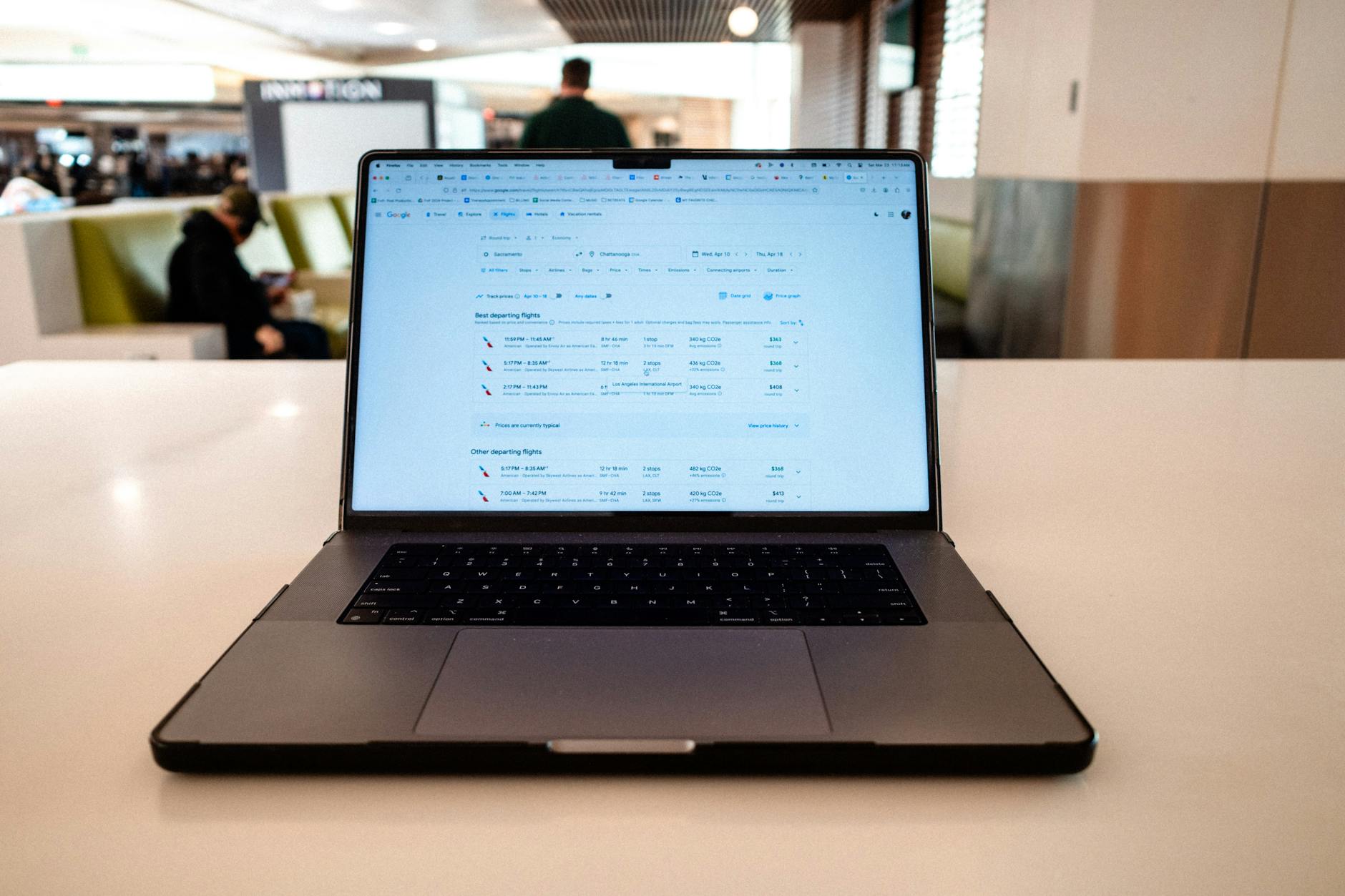
Algorithmic forecasting isn’t just for airlines; travelers can harness this technology too. Google Flights and services like Hopper offer predictive insights, signaling when it might be the best time to book based on historical data and trends. Setting up alerts on these platforms can ensure you never miss a deal.
Case Study: Last-Minute Travel
A traveler planning a last-minute trip from Delhi to New York in the off-season can use Google Flights to monitor fares. An alert can be set up for specific dates, allowing real-time updates on any price fluctuation, effectively catching even the briefest of discounts.
The Art of Mixing and Matching Airlines
In an era where virtual interlining is gaining traction, mixing airlines on your itinerary isn’t just viable but sometimes the cheapest option. Websites like Skyscanner aggregate these mixed flights efficiently. This strategy requires vigilance, as mismatched airlines can occasionally lead to potential travel mishaps, such as absence of clear baggage policies or misaligned refund policies.
Exploring Booking Junctions
Travel junctions, where you switch airlines or even transport modes, offer more than just cost benefits. Consider flying one leg with an airline and returning via train or bus if it fits your itinerary and affords significant savings.
Actionable Steps to Your Next Journey
To truly harness these tips, start by selecting a destination and using Google Flights to explore its fare trend. Set alerts for one-way options, consider hub transits, and be open to mixing airlines. Ultimately, it's about combining flexibility with strategy to carve out the best one-way flight deals.
Next time you’re planning a transient escape or a sudden visit, remember that each element—from the timing and airports to the technology and creative routing—can be manipulated to unearth that elusive one-way deal.