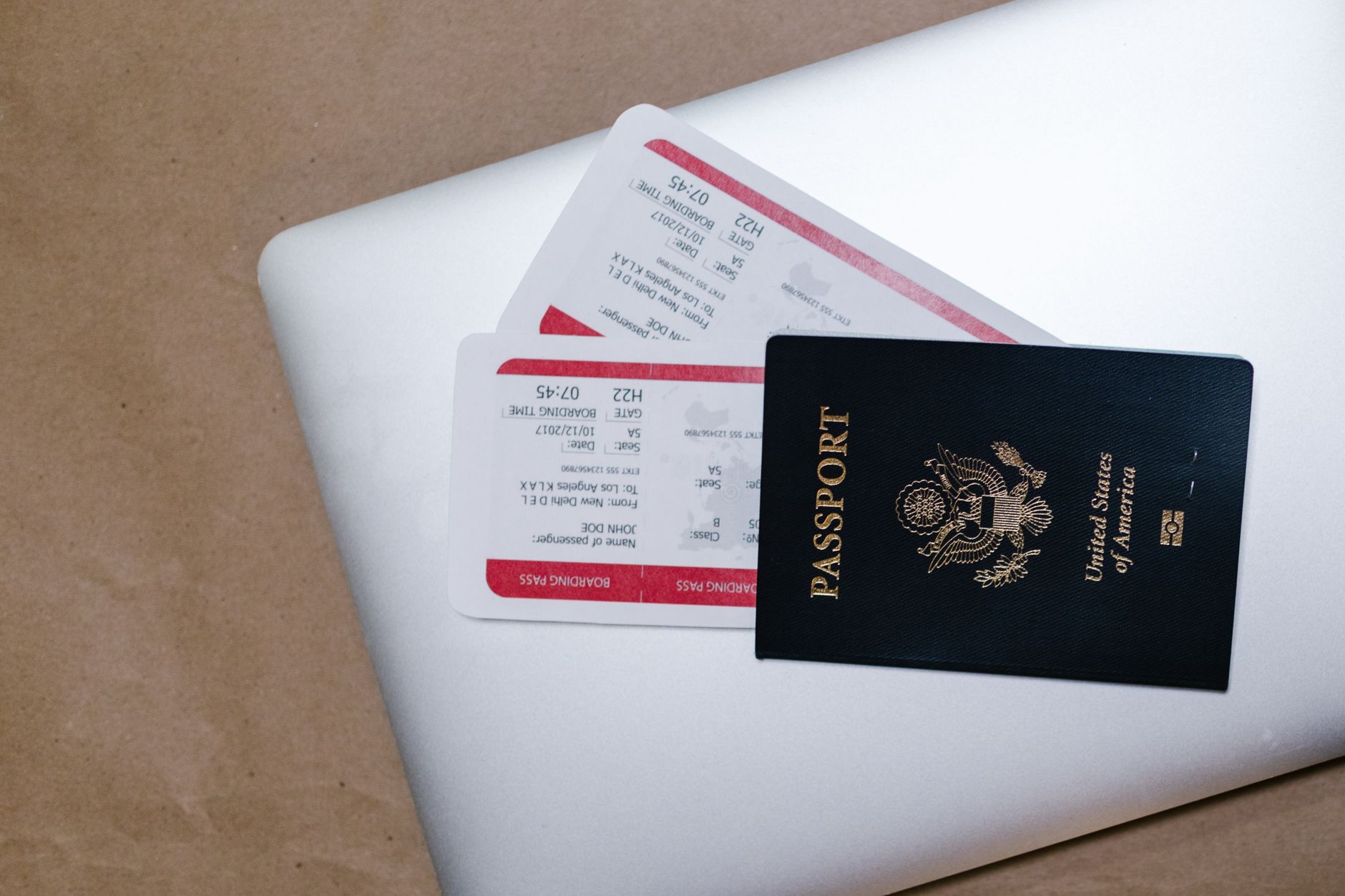
Imagine this: You’re thrilled to book a much-awaited trip from Delhi to New York during the pleasant shoulder season. You snagged affordable tickets, packed your bags, and made all accommodations. But then, the unexpected happens—a personal emergency, and you have to cancel. Panic sets in as you vaguely recall something about cancellation fees. Understanding flight cancellation policies can be as crucial as finding the right flight deals. Let’s dive into the intricacies of these policies, ensuring you can handle them with finesse the next time life gets unpredictable.
The Anatomy of a Flight Cancellation Policy
Every airline has unique cancellation policies, often varying drastically even within the same carrier. The key components to assess include the airline’s penalty fees, refund eligibility, and any applicable deadlines. For instance, major US airlines like Delta and United often allow cancellations within 24 hours of booking without a penalty; however, this is contingent upon booking directly with the airline and not through a third-party platform.
Non-refundable vs Refundable Tickets
Refundable tickets provide the obvious advantage of flexibility but come at a higher upfront cost. Non-refundable tickets, however, can sometimes be canceled for a fee or in exchange for a credit toward future travel. Airlines such as Southwest have set a new standard by offering cancellations with full value retained as credit. Understanding these nuances is vital for evaluating risks and deciding if the added cost of refundable tickets aligns with your trip’s importance and uncertainty level.
Tools and Techniques to Manage Cancellations
Relying solely on airline communication can lead to costly mistakes. Leverage digital tools like Google Flights and ITA Matrix for monitoring fare calendars. These platforms can help identify fare flexibility and keep you informed about potential savings by switching flights. Implement alert systems to track significant price changes or updates on your booked flights. Sites like Scott’s Cheap Flights or Airfarewatchdog provide tailored alerts that can save both time and money.
Insurance as a Buffer
Travel insurance is your ally when cancellation policies seem unforgiving. Many policies cover non-refundable costs under specific conditions like illness or severe weather disruptions. Experts suggest aligning insurance coverage with your destination’s risks and the airline’s policies. Companies such as Allianz or World Nomads offer customizable plans that blend with personal travel habits, offering peace of mind without overspending.
Reading the Fine Print
Hidden pitfalls often lurk in the detailed terms of service. Beyond immediate policy summaries, scrutinize the contract details to uncover stipulations like ‘no-show’ penalties or limited timeframe clauses. Familiarize yourself with the precise terms around rescheduled flights, especially for international travel where layovers and partner airline policies add layers of complexity.
A Practical Cancellation Scenario
Consider you booked a JetBlue flight from Delhi to New York. Unforeseen medical issues necessitate canceling the flight. JetBlue’s policy allows for changes or cancellations with a fee, converted to travel credit. Had travel insurance been in place, you might have avoided this fee entirely or reduced its impact significantly. This scenario underscores the importance of pre-trip due diligence with both airlines and third-party support resources.
Turning Knowledge into Power
Mastery over flight cancellation policies involves proactive engagement with airline rules and leveraging all available tools. Prioritize understanding the airline’s terms before purchase and integrating technology and insurance into your travel planning. Bookmark important sections of airline contracts for quick access when emergencies loom, empowering yourself to make informed, stress-free decisions.
To sum up, equip yourself with these insights on airline cancellation policies to safeguard your investment. For your next trip, start by researching the cancellation policies of your chosen airlines, sign up for alerts, and consider investing in travel insurance tailored to your needs. This foresight could save you substantial stress and financial strain should your travel plans meet the unexpected.