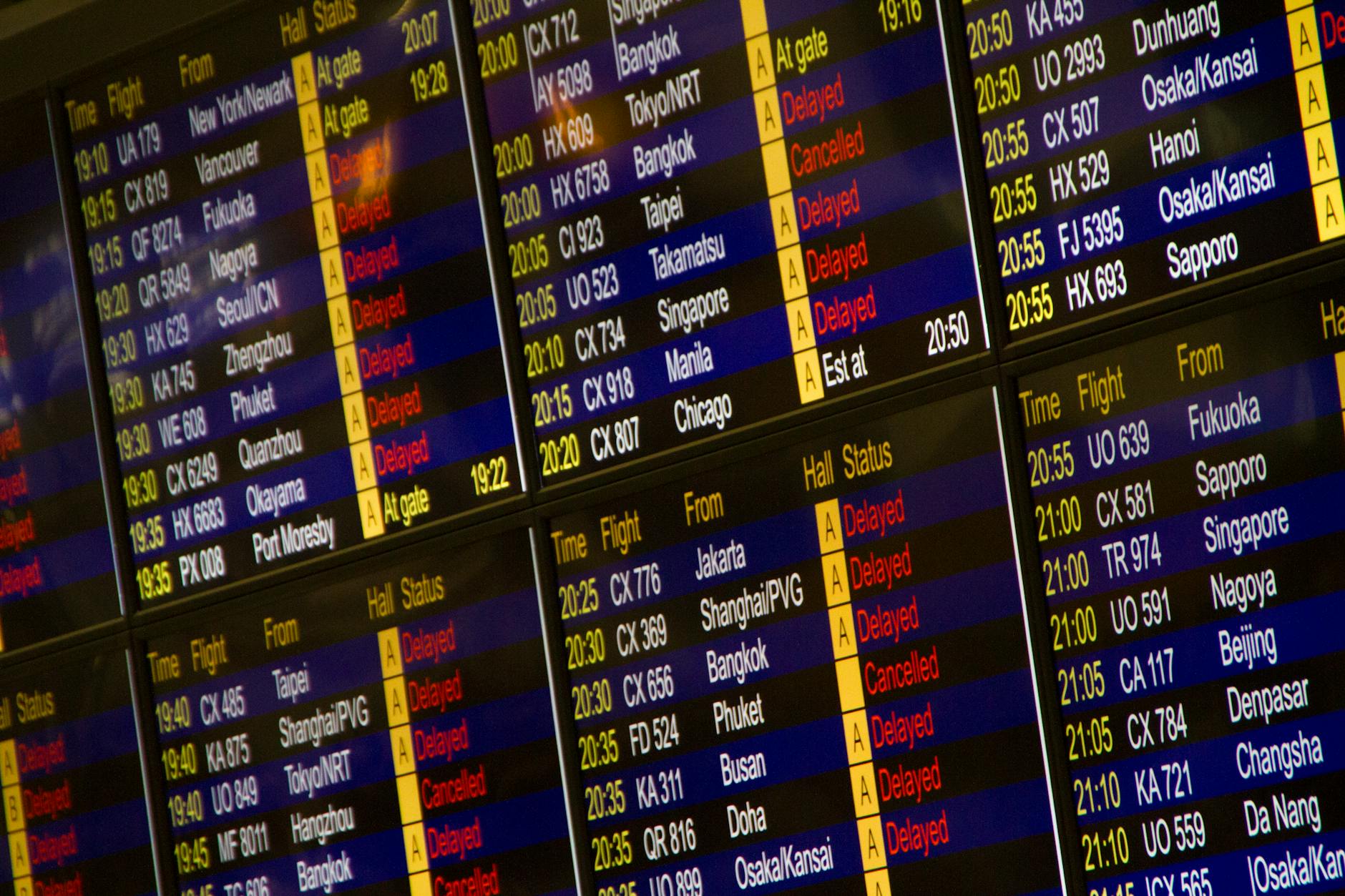
You've meticulously planned your dream vacation, selected the perfect flights, and have an itinerary that's verging on perfection. But, as travel aficionados know, not everything goes as planned. Unexpected events—from a sudden work commitment to an unprecedented airline strike—can throw a wrench into your travel arrangements, making understanding the complex world of flight cancellation policies not just necessary but critical.
Understanding the Basics of Flight Cancellation Policies
At its core, a flight cancellation policy lays out the conditions under which you can cancel your flight and what charges or refunds may apply. However, airlines aren't required to follow a standardized template. This leads to significant variability between carrier policies and sometimes within the same airline if you’re comparing domestic versus international routes.
Analyzing the Fine Print: More Than Just a Refund
Many travelers skim over the terms and conditions, assuming that flight cancellations simply lead to a refund. However, the devil is in the details. Airlines may offer more than just monetary refunds. Understanding these nuances can be rewarding.
Refundable Flights vs. Travel Credit
Refundable flights tend to be more expensive upfront, but if plans change, your ability to rebook or receive cash back can outweigh the initial cost. In contrast, airlines may opt to offer travel credits over refunds, particularly post-COVID-19. A notable scenario involved a traveler booking a Delhi to New York flight during shoulder season; airline policy offered a travel credit valid for a year instead of a refund due to unforeseen travel restrictions.
The Role of Fare Classes in Cancellations
Not all tickets are created equal. The fare class you book can dramatically affect your cancellation flexibility. Economy class tickets are often highly restrictive, whereas Business class or First class may offer a full refund or free rescheduling.
Tools like Google Flights and the ITA Matrix can be useful in discerning these fare classes and even tracking historical cancellation responses of airlines. Pay extra attention to codes like 'Y' for full-fare economy or 'Z' for discounted Business class. Each comes with its own set of rules around rebooking and cancellations.
Leveraging Insurance for Additional Protection
Travel insurance might seem like an unnecessary expense until you're faced with an emergency. Not all policies are cut from the same cloth, however. Look specifically for those that cover ‘cancel for any reason’ if flexibility is essential to your trip. Providers such as Allianz and Travel Guard offer a variety of options, some even letting you cancel up to 48 hours before your trip with partial compensation.
Using Credit Cards Wisely
Some credit cards offer automatic travel insurance as part of their perks. This can include trip cancellations, interruptions, and delays. Check your card's benefits guide to verify inclusions and apply this knowledge strategically when booking flights.
Making Informed Booking Decisions
Your existing knowledge of a carrier's cancellation policy can guide your decision even when starting the booking process. Airlines often provide fare calendars where fare rules can be previewed. When using platforms like Google Flights, look out for filters that allow you to preview cancellation terms, a highly recommended step before committing to a non-refundable ticket.
Handling Weather-Related Disruptions
For destinations prone to unpredictable weather patterns, understanding how your chosen airline manages weather cancellations can be a life-saver. Southwest, for instance, tends to offer flexible rescheduling policies during weather disruptions, allowing travelers to rearrange plans with less hassle.
Moving Forward: Actions You Can Take
So, what should you do next time you embark on a journey? Start by always reading the cancellation policy before confirming any booking. Use the plethora of tools at your disposal, from Google Flights to airline-specific fare calendars. When in doubt, call the airline directly; agents can provide clarifications not always found online. Consider travel insurance tailored to your trip specifics and leverage credit card perks to bolster your safety net. Finally, if flexibility is priceless for your peace of mind, opting for a slightly higher fare for added freedom can be far less costly in hindsight.
By adopting these informed strategies, you not only mitigate risks but also journey with far less stress in these unpredictable times. Your travel experiences deserve nothing less.