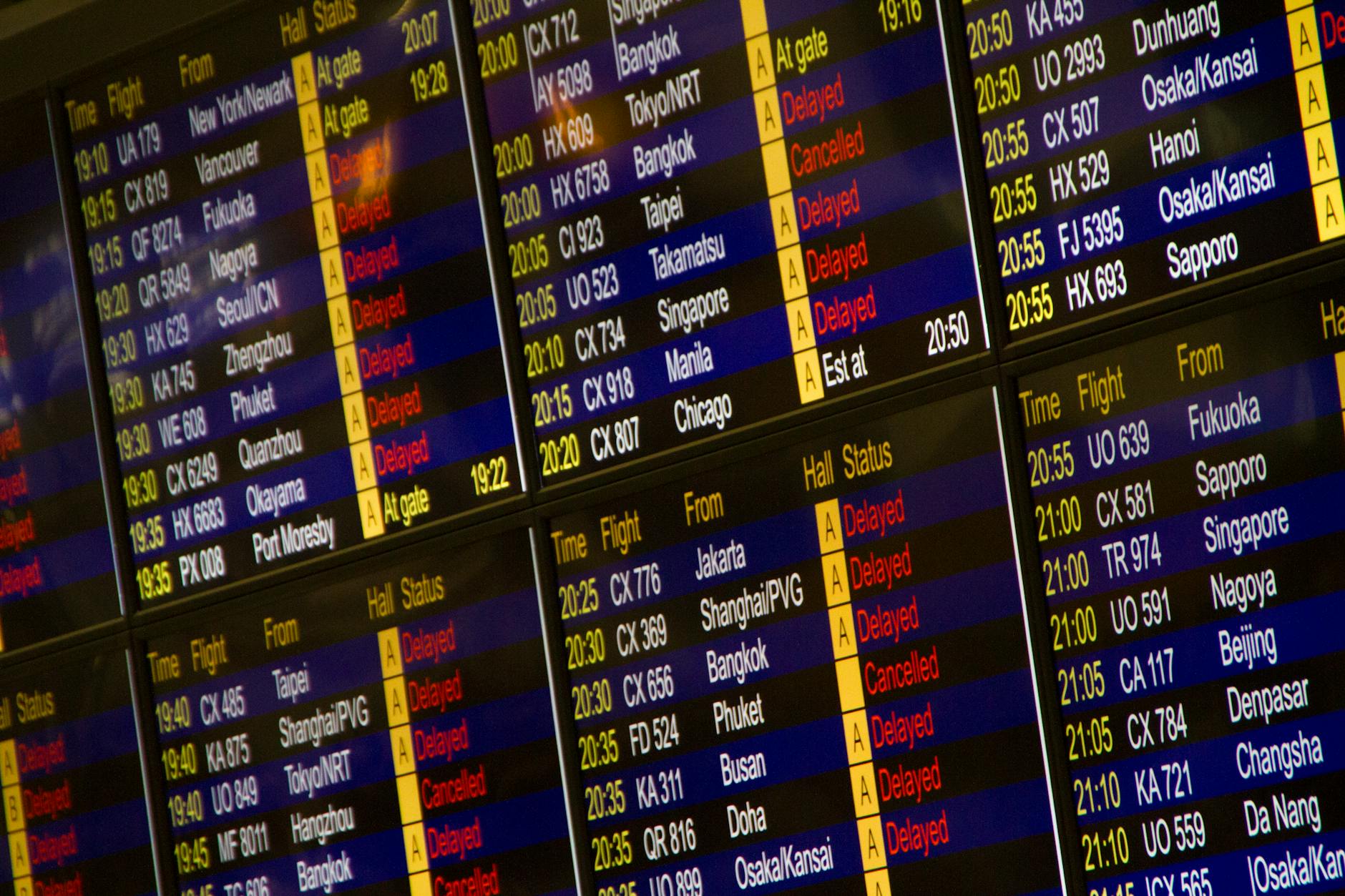
Traveling always brings an air of excitement and anticipation. Yet, frequently lurking amidst our travel plans is the reality of flight cancellations, a potential disruptor to even the most meticulously planned itineraries. Understanding 'flight cancellation policies' can mean the difference between a travel hiccup and a canceled vacation.
Facing the Uncertainty of Flight Cancellations
Imagine you're a traveler who has booked a flight from Delhi to New York during the shoulder season. You snagged a great deal and packed your bags for a leisurely exploration of the Big Apple. However, a sudden snowstorm in New York prompts a wave of cancellations. What's your next move?
Decoding the Airline's Policy: Key Considerations
First and foremost, understanding the intricacies of an airline's cancellation policy is crucial. Airline policies can vary significantly; some might offer full refunds, while others may provide only travel vouchers. Even within the same airline, international flights might have different rules compared to domestic ones. Always check the specific fare rules associated with your ticket. For instance, a 'Basic Economy' ticket is likely to have more stringent conditions than a 'Business Class' seat.
Global versus Domestic Cancellations
If flying internationally, the carrier must comply not just with its own policies but often with regulations from governing bodies such as the U.S. Department of Transportation or the European Union's EC 261, which could entitle you to compensation.
Learning from Real-Time Alerts and Tools
Stay informed with real-time flight monitoring. Applications like FlightAware and services that offer SMS or app-based notifications can alert you to schedule changes instantly. Additionally, tools such as Google Flights or the ITA Matrix let you search for alternative flights proactively in case cancellations happen.
Setting Fare Alerts
Consider activating fare alert services like Scott's Cheap Flights or Hopper's prediction feature. This way, beyond tracking prices, you can stay updated on potential re-routing options if your itinerary goes awry.
Navigating Cancellations with Travel Insurance
Having travel insurance can be a traveler's safety net. Not all insurance policies are created equal, though. Pay attention to what your policy covers: some only reimburse for severe weather-related cancellations or political unrest, whereas others might cover personal reasons. Policies from providers like Allianz Travel or World Nomads often offer comprehensive options but always read the fine print.
Maximizing the Airline's Goodwill Policy
In many circumstances, airlines may offer more than what their formal cancellation policy entails, out of goodwill. If your flight is canceled, promptly reaching out to them may yield options like upgrading to a different class on the next available flight, reticketing on partner airlines, or even offering meal and accommodation vouchers if overnight disruptions occur.
Leveraging Customer Service with Diplomacy
When negotiating, how you approach customer service can profoundly affect outcomes. Being courteous, prepared with all necessary information, and even contacting through multiple channels—phone, chat, or social media—might expedite favorable resolutions.
Final Thoughts: Be Prepared, Be Proactive
First, revisit your travel plans and ensure you're acquainted with specific airline policies. Set alerts and harness technology to keep you informed of potential obstacles. Consider the value of travel insurance as a buffer against unforeseen disruptions. Ultimately, the key to peacefully navigating through travel turbulence lies in preparedness and proactivity. Your next actionable step is to review your current and upcoming flights’ cancellation policies and align them with your travel blueprint. Safe travels!