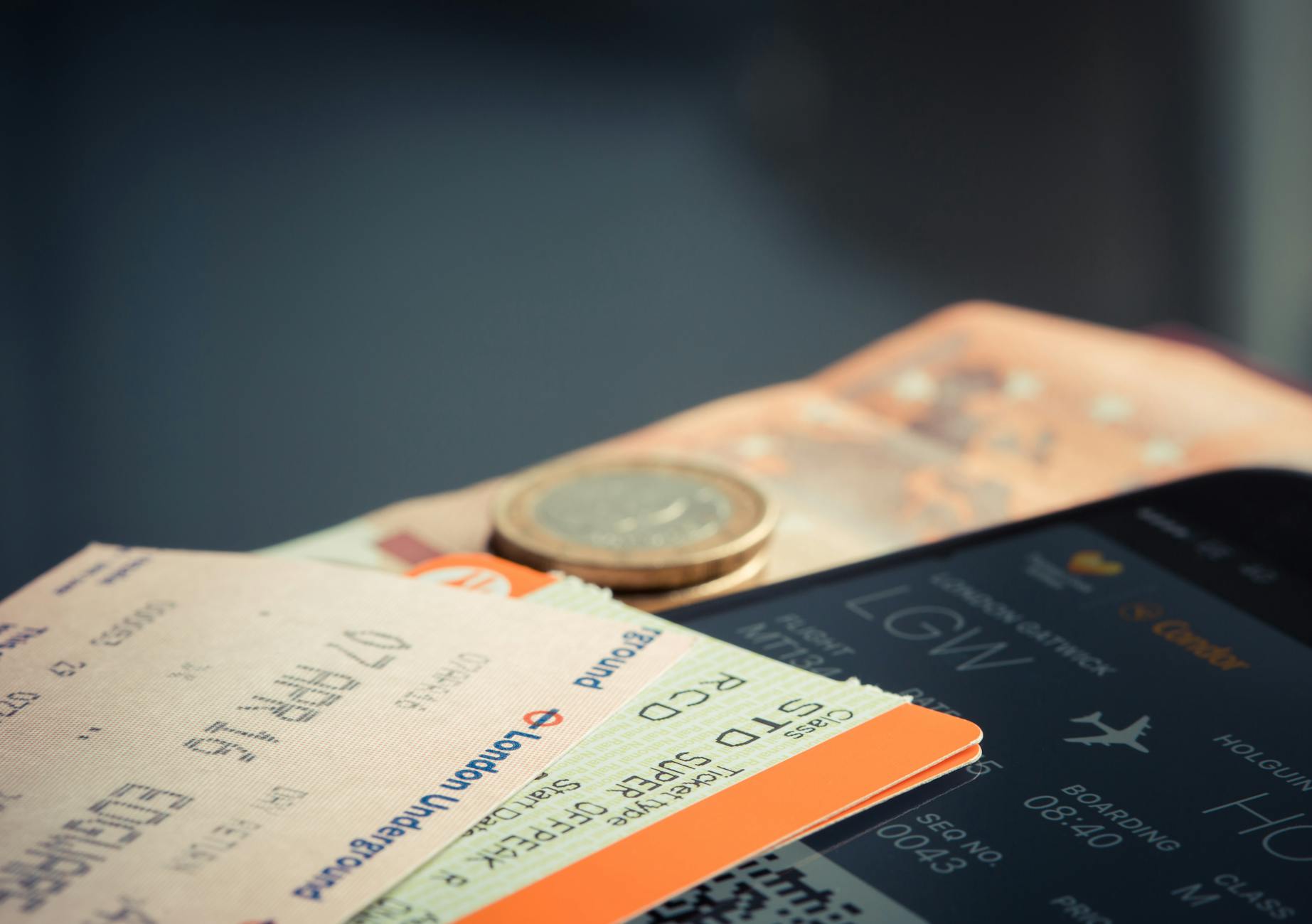
Mastering the Art of One-Way Flight Deals
There’s a unique thrill in booking a one-way flight. Perhaps it signals the start of an open-ended adventure, a new chapter in life, or simply a strategic maneuver to take advantage of the best flight deals. However, the complexity of finding cost-effective one-way flights can be a stumbling block for many travelers. The good news is, with a bit of knowledge and strategic planning, you can secure excellent deals without unnecessary hassle.
Understanding Airline Pricing Strategies
One of the first steps to securing great one-way flight deals is understanding the airline pricing strategies. Airlines often price one-way tickets at a higher rate than a simple half of a round-trip fare, particularly on routes with business traveler demand. Nonetheless, low-cost carriers like Southwest, Norwegian, and JetBlue often offer competitively priced one-way fares. Observing the pricing trends via tools like Google Flights fare calendar can help you spot patterns and get an edge on booking the best deals.
Leveraging Flight Comparison Tools
A pivotal move in hunting for one-way deals is using flight comparison tools to sift through the multitude of options. Google Flights and ITA Matrix are powerful tools in this regard. A lesser-known trick involves setting up alerts for fare drops on sites like Airfarewatchdog. These services scour the web, delivering the results directly to your inbox, ensuring you’re always in the loop when a new deal emerges. As an example, if you’re looking to book a flight from Delhi to New York during the shoulder season, set up alerts for all major airlines and low-cost carriers frequently servicing this route.
The Myth of the Cheapest Day
Many travelers adhere to elusive theories about the cheapest day to book flights. While Tuesday midnights are often rumored to result in lower fares, data actually shows that it varies according to the specific market and airline. What truly counts is monitoring fare fluctuations for your specific route over a period of time. Airfare prediction tools, such as Hopper, provide insights into fare trends and can notify you when prices are expected to rise or drop.
Exploring Alternative Airports
An often-overlooked area of savings lies in choosing the airport. Large metropolitan areas usually host several airports within an accessible radius. For example, if you’re flying to the Bay Area, consider flights into Oakland or San Jose instead of just focusing on San Francisco. This approach can net you significant savings as airlines offer different routes with various pricing strategies depending on the airport. Sites like SkyScanner enable direct comparisons between airports, helping you to make informed decisions.
Maximizing Refundable and Changeable Tickets
Airlines sometimes release one-way ticket prices for a fare class that has refundable and changeable options without large penalties. Booking with a flexible ticket can be strategically beneficial especially if it’s difficult to finalize your travel plans. It can also be a hedge against the possibility of finding an unexpectedly cheaper option after your initial purchase. Reading the terms carefully before purchasing is crucial, as change penalties can offset any potential savings.
Final Tips: Strategic Planning and Timing
When planning an international one-way trip, particularly from regions with strict immigration policies like the U.S., ensure compliance with entry and exit regulations, which sometimes require proof of onward travel. Additionally, booking a placeholder return ticket that you plan to change or cancel can circumvent this issue. Ultimately, staying informed and utilizing available tools effectively gives you the leverage to master one-way flight deals, turning an intimidating process into an enriching experience.