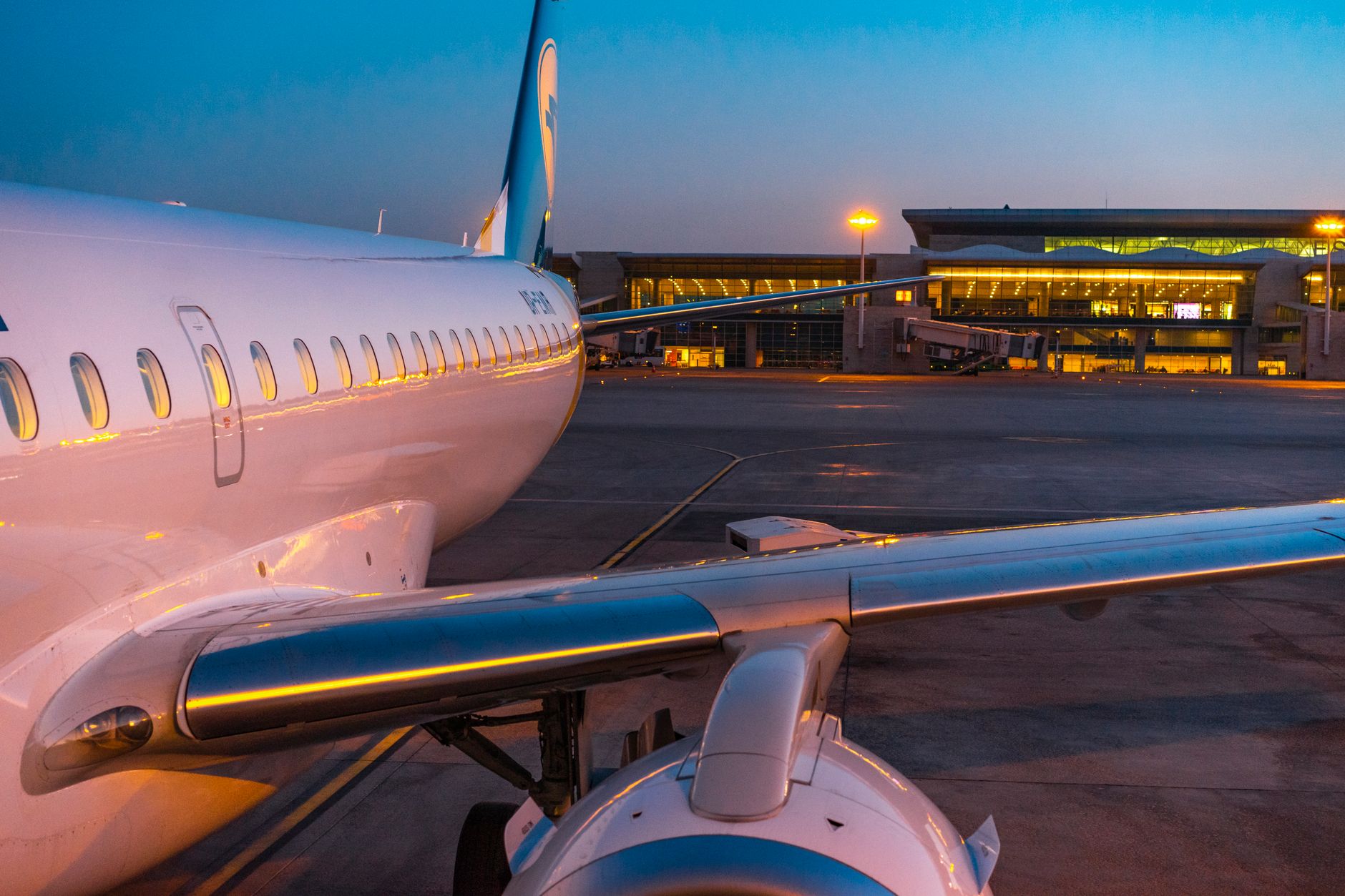
For many travelers, squeezing more awake hours into a trip can feel as elusive as that mythical extra suitcase space. Enter the red-eye flight, an underutilized secret of seasoned travelers. While the notion of flying through the night might conjure images of uncomfortable seats and bleary eyes at dawn's first light, leveraging red-eye flights strategically can transform them into a travel ally rather than an adversary.
Understanding the Benefits of Red-Eye Flights
Red-eye flights, typically departing late at night and arriving the next morning, offer several advantages that often go overlooked. Firstly, there's the time factor: flying overnight means you save a day on the ground, an asset in both business and leisure travel. For example, consider a traveler needing to book a flight from Delhi to New York for a conference. Choosing a red-eye allows them to attend their event the next morning, eliminating hotel costs for an extra night.
Quieter Airports and Less Crowded Aircraft
Late-night travelers enjoy quieter airports, shorter security lines, and often less crowded flights. This not only means a quicker boarding process but potentially more space within the cabin to relax. Frequent fliers know that availability of space can make all the difference for comfort during longer flights.
More Affordable Travel Option
Red-eye flights can frequently offer budget-friendly options compared to peak-daytime flights. Price disparities vary, but using tools like Google Flights or ITA Matrix, you can often notice patterns over time that suggest nights of the week where red-eye pricing may dip. Commit to tracking these patterns and take note of airline fare calendars to fine-tune your booking strategy.
Crafting the Perfect Red-Eye Experience
Many travelers regard red-eye flights with trepidation, fearing poor sleep and awkward time zones. But with the right preparation, these concerns can be mitigated.
Packing for Comfort
Invest in essentials like a good eye mask, noise-cancelling headphones, and a travel pillow. Lightweight, breathable layers can help regulate temperature changes from the airport to the plane cabin. Don’t skimp on wearing compression socks, especially for longer flights.
Maximizing Sleep Opportunities
Strategize your pre-flight routine: avoid caffeine and heavy meals before boarding to encourage restful sleep. Emulate your regular sleeping environment by setting your watch to the destination's time and beginning your wind-down routine accordingly.
Selecting the Right Seat for a Red-Eye
Choosing the right seat can significantly impact your flight experience. For example, window seats are often preferred by red-eye veterans as they provide a surface to lean against, promoting better sleep postures and fewer disruptions.
The Science of Sleep Zones
Seats located over the wings, generally more stable, can lead to a smoother ride—ideal for staying asleep. Use seat selection maps available on most airline booking platforms or SeatGuru to pinpoint these coveted spots and increase your chances of a restful flight.
Managing Arrival and Adapting Post-Flight
Arriving on a red-eye demands some discipline to avoid succumbing to the temptation of an immediate nap. Instead, build in some post-landing rituals: hydration, light exposure, and light exercise can accelerate acclimatization to the new time zone.
Leveraging Airports for Recovery
Select airports with convenient facilities upon arrival. Lounges often provide showers or quiet spaces to freshen up, especially useful if you’re moving directly into a workday or event. In cities like Singapore with Changi Airport, explore amenities offered to rejuvenate before continuing the day.
Your Next Step: Booking Wisely
The true value of a red-eye flight is unlocked through strategic booking. Set fare alerts on your preferred travel tools to monitor price drops and seat availability. Apps like Hopper can predict the best times to book based on historical price trends. An informed red-eye decision means spending smarter, traveling more comfortably, and making the most of your destination.
In essence, red-eye flights represent a balance between cost-efficiency and opportunity maximization. To harness their full potential, travelers must prepare pivotal strategies around timing, seating, comfort, and post-arrival integration. This way, they transform red-eye flights from a potentially groggy ordeal into a seamless aspect of a well-orchestrated journey.